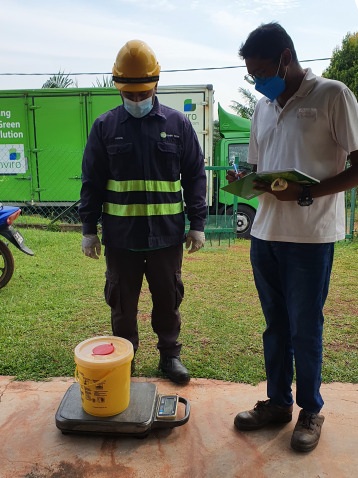
Medical Waste Transportation

Introduction
Medical Waste Transportation

Medical waste is broadly classified as any item that comes into contact with body fluids. Specifically, it is any solid waste that is generated in the diagnosis, treatment or immunization of humans. This type of waste was once collected in special bags and plastic boxes in clinical settings and then disposed of like normal trash. However, this process was quickly found to spread diseases and viruses and potentially cause outbreaks. Today, the red biohazardous containers and bags seen throughout hospitals and doctors’ offices are used to safely remove sharps, needles, any human blood or bodily fluid. Medical waste also includes paper towels, wipes, gloves, syringes without needles, bandages or dressings with small amounts of dry blood or fluid, and any other material from medical care. Syringes with needles or sharp objects that can pierce through a plastic bag require a special storage container for additional protection.
Our Reliable Services Includes
The charms of pleasure of the moment, so blinded by desire, that they cannot foresee the pain & trouble that are bound to ensue; and equal blame belongs to those who fail in their duty.
- Recurring Waste & Recycling
- Waste Diversion Reporting
- Sustainability Education
- 24/7 customer service
Medical Waste Types
The term “medical waste” can cover a wide variety of different byproducts of the healthcare industry. The broadest definition can include office paper and hospital sweeping waste. The list below displays the most common waste categories as identified by the WHO.
Sharps
This kind of waste includes anything that can pierce the skin, including needles, scalpels, lancets, broken glass, razors, ampules, staples, wires, and trocars.

Infectious Waste
Anything infectious or potentially infectious goes in this category, including swabs, tissues, excreta, equipment, and lab cultures.
Pathological
Human fluids, tissue, blood, body parts, bodily fluids, and contaminated animal carcasses come under this waste category.
Chemical
These are disinfectants, solvents used for laboratory purposes, batteries, and heavy metals from medical equipment such as mercury from broken thermometers.
Medical Waste Tools and Resources